Supplementary Information for the J.P. Bickell Foundation
THANK YOU
In July of this year, Children’s Health Foundation was pleased to provide the members of the J. P. Bickell Foundation with a report on the impact of your past generosity to the Neonatal Intensive Care Unit (NICU) at Children’s Hospital.
Your support in 2023 made it possible for our NICU to purchase a Giraffe OmniBed, providing an advanced microenvironment for fragile newborns to grow and thrive. This state-of-the-art incubator controls for temperature, humidity, oxygen, light and even noise level to help mimic a mother’s womb.
You can download the stewardship report we sent to you for more information on the impact of your support.
London Health Sciences Centre (LHSC) reached a remarkable milestone last year by delivering a record 6,452 babies. While most of these new arrivals bring joy, some infants rely on the advanced equipment and specialized care of our NICU, as shared in this article.
LHSC serves as one of the largest, single-site birthing units in Canada and has one of the busiest NICUs in the country. Each year, our NICU at Children’s Hospital, LHSC cares for over 1,000 premature and critically ill infants from across Southwestern and Northern Ontario. Given the immense care the J.P. Bickell Foundation has shown for sick neonates, we invite you to support two pieces of essential, state-of-the-art equipment that safeguard infants who have suffered oxygen deprivation or reduced blood flow and are at risk of brain injury.
We are respectfully asking
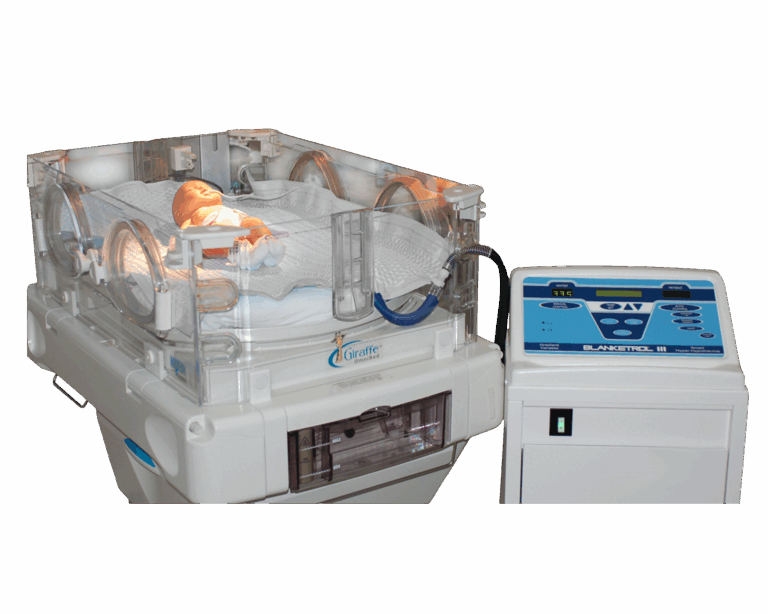
the J.P. Bickell Foundation to consider a grant of $50,000 to purchase a Shuttle and a Blanketrol Hypo-Hyperthermia Device.
Caring for Babies Experiencing Brain Injury
Hypoxic-ischemic encephalopathy (HIE) develops when a newborn endures insufficient oxygen or reduced blood flow just before, during, or shortly after delivery. HIE has many causes, from placental issues or uterine rupture to fetal-maternal hemorrhage. If not treated swiftly and effectively, HIE may cause death or profound neurological disability, but prompt intervention can markedly improve outcomes.
Our NICU team depends on the Shuttle and Blanketrol Hypo-Hyperthermia systems to deliver seamless, state-of-the-art care. The Blanketrol delivers precise cooling and warming therapy essential for protecting neonatal brain health, while the Shuttle secures a fully controlled microenvironment at every step.
Therapeutic hypothermia is shown to save the lives of patients impacted by HIE and reduce the severity of their brain injury, supporting brighter futures.
The Blanketrol Hypo-Hyperthermia Device is critical to administering this therapy. The technology allows medical professionals to carefully cool the infant’s body temperature for about 72 hours and then gradually rewarm them. Therapeutic hypothermia must be given within six hours after birth.
Currently, our NICU doesn’t have enough Blanketrol devices to ensure our patients receive the timely care they require. Your support will allow us to have a third Blanketrol Hypo-Hyperthermia Device to support every fragile baby requiring therapeutic hypothermia to save their life and reduce disability.
Shuttle - Ensuring Safe Transport
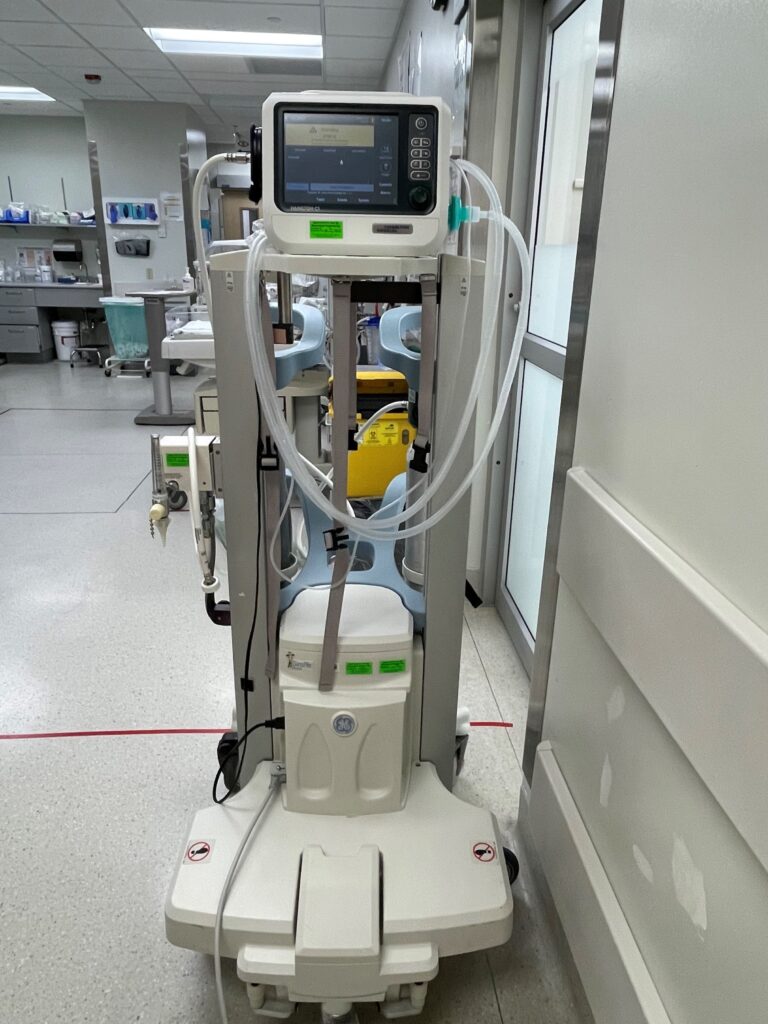
Shuttle on its own
Premature infants face a heightened risk of HIE. Giraffe OmniBeds play a crucial role in their care by creating a developmentally supportive environment. Nurses and neonatologists can precisely control temperature, humidity, oxygen levels, light, and even noise to mimic the womb as closely as possible.
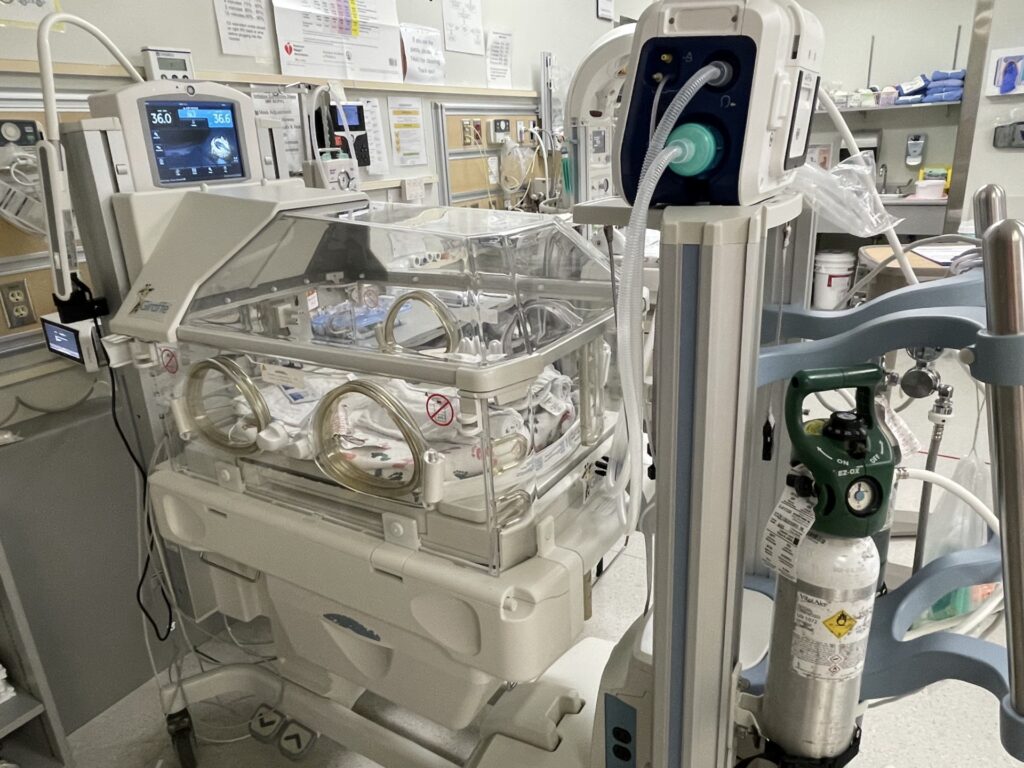
After birth, babies with HIE are typically stabilized in the resuscitation room. Once ready for therapeutic hypothermia, they’re moved to the care pods, but only with the shuttle attached. By plugging directly into the Giraffe OmniBed, the shuttle provides uninterrupted power to the incubator and all specialized support equipment. This seamless connection ensures that the carefully calibrated microenvironment moves safely with each tiny patient, whether they’re headed for imaging, lab tests, or to the bedside for further monitoring and treatment.
Unfortunately, the NICU Shuttle fleet is aging, and a replacement unit is urgently needed to maintain this lifesaving support for our smallest, most critically ill patients, including those facing HIE.
Pictured above, you will see a photo of the needed shuttle on its own, followed by a photo of the shuttle attached to a Giraffe OmniBed on the right.
Shuttle attached to Giraffe OmniBed
By funding these vital devices, you’ll directly impact survival rates and long-term outcomes for premature and critically ill newborns. With your help, Hope Lives.
Please see this video which shares the experience of a NICU family:
If our request is granted, we would be pleased to work with you to recognize your support in a way that would be meaningful to you, which could include the installation of a plaque for the J. P. Bickell Foundation in our NICU. A plaque recognizing your foundation’s support was installed outside a patient room in the NICU in 2016; having an additional plaque in a different area of the NICU will make staff and families aware of your ongoing caring hearts for these most vulnerable patients, and those who love and care for them, at Children’s Hospital.
We are sincerely grateful for your consideration of this request.